Lettera cinque
It has been a good week for dining together with friends, particularly friends who are all apostles. Yes, I have been tracking down cenaculi (the plural of cenaculo, which is the space in which the last supper happened and is the colloquial term for last supper paintings). I feel like I have been very fortunate to visit with two exceptional versions of this trope, in two glorious rooms, in obscure parts of this city, unfettered by tourists.
Oh no, I hear you groan. Last Suppers? Really? Wine doors were fun but maybe he has gone over to the dark side?
Really, I haven’t. But listen – here is what happened this week and why I have to send you this letter – we got to witness, in living color, how the Dark Ages began. Yes, I know that some prefer to call it the Medieval period but from the point of view of art, it was the Dark Ages. On Friday last, we went to visit the place that encapsulates the most glorious, the most magnificent record of their beginning! How cool is that?
I will start there, which is the city of Ravenna. But, the Last Suppers loom.
Ravenna. What can I say that hasn’t been said about Ravenna? Probably nothing. It is a city on the Adriatic. If you have been there, fantastic. I had not. A particular friend who is an architect (and many other things) wrote to say, “Stop everything and go!” That was Thursday, September 29th. So, on the 30th we were on the train (24 Euro round-trip). Susan needed a break anyway. Carry My Own Suitcase is going very well and there have been nice bits of good news: dwb (driving while black) is now to be performed live, in 2023, in Des Moines, Iowa; Greensboro, South Carolina; and Birmingham, Alabama. Carry My Own Suitcase tentatively will be workshopped in Washington, DC in addition to its spring workshop in Lawrence, Kansas. And in the summer of 2023 Jade Star Hotel will have a vocal reading. She is working much harder than I am. I get to go off to obscure monasteries. She gets to go out for gelato. She was glad to get away.
From 420 to about 650, CE, Ravenna was the axis mundi of the Western World. It was the capital of many overlapping, competing political entities including, but not limited to, the Goths, the Ostrogoths, the Visigoths, the Western Roman Empire, and the Byzantine Empire. Some names you might remember are Chief of the Ostrogoths Theodoric; Emperor Justinian and his powerhouse Empress, Theodora (no relation to Theodoric). Perhaps the Goth Queen Siouxsie and her attendants, the Banshees, rings a bell?
Mosaics. Ravenna has the most magnificent mosaics in the world. There, I said it. Go ahead and argue with me. Yes, the ones in St. Marks in Venice are stupendous, those in Rome and Pompeii amazing, but none match the level of artistry seen in the Basilica of San Vitale, circa 532-557, or the Mausoleum of Galla Placidia, circa 425-450. The figures in these mosaics – even the animals – have individuality, vibrancy, pathos, and movement.
But really, you have to go there to believe it so I am not going to offer a lot of photographs. I myself was not going to go until I was told I must. I had learned about them in my classes but thought well, I’ve been to St. Marks, how can you top those. Wrong. So, now I’m telling you. Go.
But what was he saying about the beginning of the Dark Ages, you ask?
Yes, that’s what I said. I said it because just a few blocks away from the Galla Placidia Mausoleum there is a church built just a 150 years later. It is full of mosaics, just crammed with them. And guess what? The artistry is all gone, forgotten. The figures there are wooden, lifeless, with no personality, individuality or emotional resonance. The mosaic masters, trained in the workshops of Rome, who then had to flee Rome after its sacking, the ones who worked in San Vitali and in the Galla Placidia Mausoleum, are – by 650 – dead and gone, along with Western art for the next 750 years.
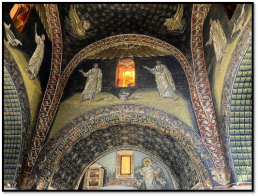
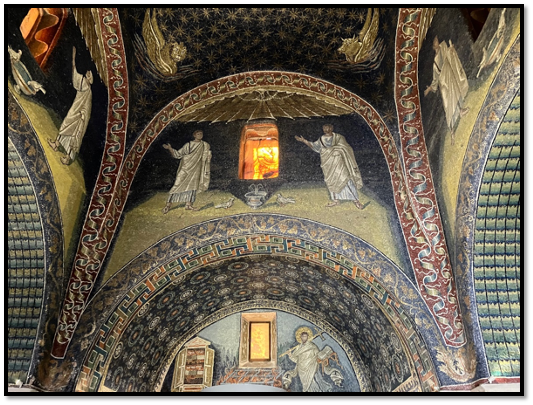
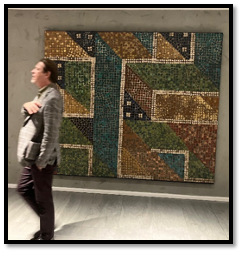
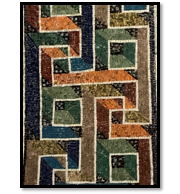
At right is just one detail from the mausoleum of which we took dozens of pictures. It turns out Susan and I are not the only ones who admired this detail. The other night I went to Florence’s opera house (Susan was down with a cold) to see Il Trovatore and at the top of the stairs in I found, to my astonishment, this painting (at left). The wall label says it is a fragment of an opera stage set designed by Florence’s home-town boy, Franco Zeffirelli, for Absolutely, a Pirandello opera. An absolutely direct grab from a pattern designed 1,570 years ago. As opera fans know, Zeffirelli, who died in 2019, was responsible for dozens of the classic sets for the Metropolitan Opera. He has quite a presence here with a whole museum dedicated to his work.
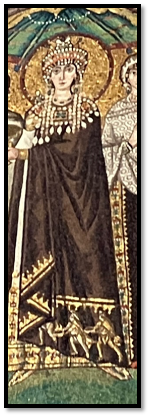
Speaking of influences, to the right is Empress Theodora from San Vitale. It might interest you to know that my beloved Gustav Klimt visited Ravenna twice, in 1903 and 1906, before painting Portrait of Adele Bloch Bauer I, now known as The Woman in Gold. He wrote back home to friends that he was absolutely transported by the extraordinary mosaics at San Vitale and it shows spectacularly in his work.
Now, the Last Suppers are coming soon. But not quite yet.
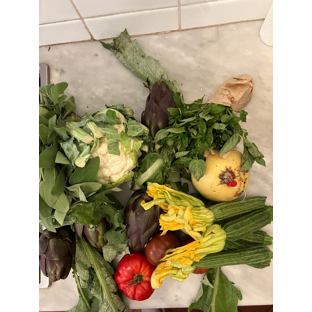
Not-the-last-supper tonight at Via Ricasole, 33, is going to include something I am very excited about because they have just come into season here at the Mercato Centrale – Artichokes. Lovely purple artichokes on big, long stems with their spiney, thistley leaves. L’ortone, my vegetable seller, has three kinds of carcofi and just choosing between them was an exercise in knowing nothing about nothing. It may be silly, but in cookbooks from foreign lands I have seen photographs of these lovely exotic stalks but never had a chance to buy and cook them. I have just written an Italian associate here at the school to get advice on how to prepare them and she has replied with instructions. I am ready. We are also going to have Multicolored Tomato Tartlets from the New York Times. Look them up. They look great. And yes, we have New York friends coming for supper. But no apostles. Very fun.
But no dessert baking. I am not set up for baking. My local bakery, Il Vecchio Forno has everything one needs. And it is old. About 200 years old. But that’s nothing. Our pharmacy was founded in 1427! How wild is that? They could have sold toothpaste to Donatello! Maybe they sold gum Arabic to Botticelli’s wife.
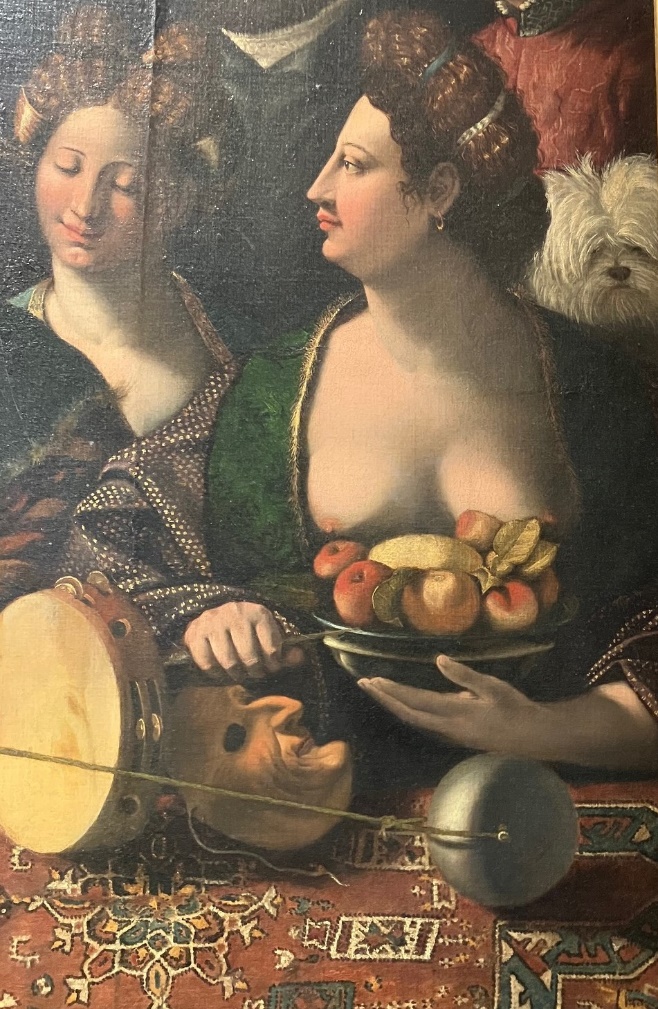
Oh, one more cornucopia for you that I can’t resist bringing to your attention. This is from the Uffizi. It just seemed to say so much about why I like cooking. The artist is Dosso Dossi. I am not making that up.
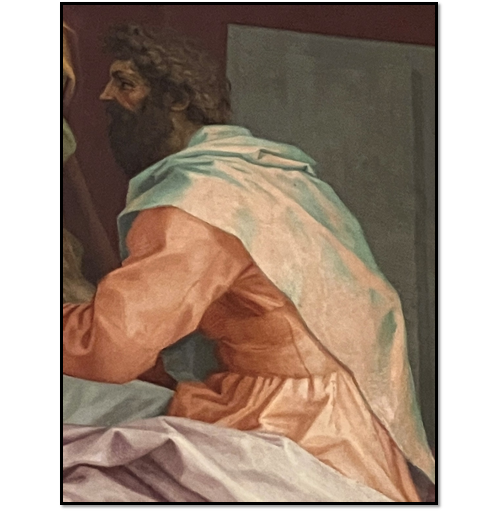
Maybe I will just leave you with this about the two L’Ultima Cena that I visited because really, you need to be in the rooms where they were frescoed to understand why I care about Jesus and his crew all of a sudden.
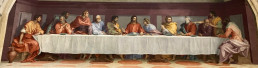
So, instead, look at this detail on the next page from Andrea del Sarto’s version at San Salvi Monastery (1505). This is a small part of a huge fresco. Almost all these cenaculi, including Leonardo’s, were done as frescoes. Fresco: from the Italian adjective for “fresh”. The key to this very-nearly-lost art is that one is working on fresh, wet plaster, mixing dry pigments with water, applying them to the wet plaster and working very fast in order to achieve absorption of the pigment before the plaster dries. So just look at this apostle’s gorgeous garments and ‘splain me how the heck he did that.
In spite of their grim subject, these Last Suppers are really about a party; a big, broad, bountiful celebration; a banging kegger; Florence announcing to the world that the Dark Ages are over.
Ttfn,
W


Lettera quattro
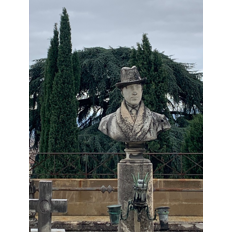
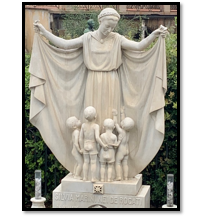
Being dapper after death is a rare thing. But here in a beautiful, terraced cemetery high above Firenze one man continues to impress, though he left this world in the 1930s. He is to be found next to San Miniato al Monte, the eleventh- century church and monastery overlooking the city, the most visible and vibrant of the few remaining working monasteries here. We arrived inside in time for the tail end of a Sunday mass. Susan spoke with one of the monks afterwards, an extremely handsome young man, and found out that vespers are sung here every evening at 6:30 in the Gregorian style. We look forward to returning. Though it is a steep climb, as you traverse the hill there is a sequence of huge man-made grottos and waterfalls that accompany you. All the rage in Europe in the late 1700s and in the 1800s, these stone grottos have been carefully restored. And then there is the view, oh my, the view. Another remarkable tomb is this for a mother of four who died in the 1940s. The sculptor of her monument had remarkable skill. This, from one slab of marble, is poignant and quite beautiful. There are other graves worth spending time with. It is clear that great sculptors were kept employed here at least until the end of the second world war.
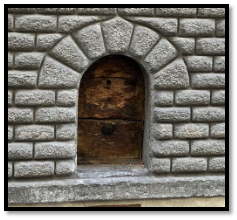
On our way walking back home we chanced upon this wood door in an stone wall that I knew you would like. I have now found two more that are similar. This is a working door, the servant’s entrance, it would appear. Or maybe it is the mother-in-law door. Just pretend you don’t see it.
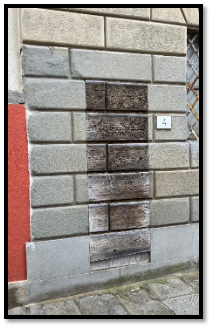
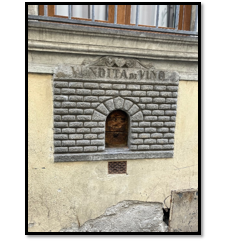
Speaking of doors, there are so many delights to be seen just walking in this city. I offer this example that I photographed Monday. What is it, I wondered to myself. I just had no idea. The words are clearly carved into the miniature real-stone wall but why was it here, four feet off the sidewalk on the façade of a very old palazzo? Vendita di vino would simply mean “sale of wine”. But what’s with the tiny door? Well, I get home that day from my perambulations in time for a lovely Zoom chat with our friends Deborah and Ian, who have been doing their research on Florence as they are coming here in October. Did I know about the wine doors, they asked. “What?”, says I, “Wine doors?” It seems they had been listening to a podcast about an obscure aspect of life in Florence and had learned that in the fifteenth through the eighteenth century, it was decreed that noble Florentine vineyard owners would not be taxed on the sale of their wine if they sold it directly from their homes. So noblemen’s palazzos all over town were fitted out with wine doors where the transactions happened anonymously. These apertures are just big enough to pass a fiasco of wine through – as the straw covered bottles of Chianti are known. So, not paying taxes was dear to the rich even then. The amazing thing to me is that this conversation happened one hour after I took the above photos. Amazing. And there is no mention of these in the guide books. There are not that many left but now that I understand what they are I have seen two others. There is a gelateria in center city which will sell you a café or a gelato through theirs and, apparently, sold many that way during the pandemic. These wine doors were, by the way, very popular during the plague of 1667 which hit Florence particularly hard.
Now then, a little art history. Perhaps you need to get yourself a glass of wine before you settle in for this. Seems like a good idea, right?
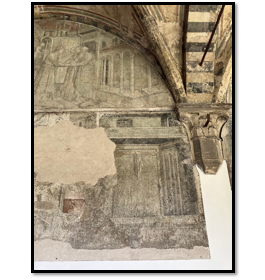
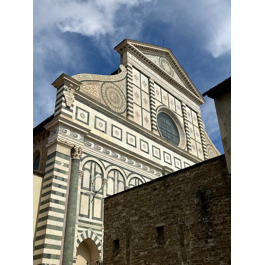
I went this week for a visit to a church called Santa Maria Novella. As an author of a not-overly-long work of fiction I think it is wonderful that the Florentines have a church dedicated to short novels. This church is just one great big celebration of the Rinascimento, which is the Italian word for the Renaissance. What I don’t get is, if the Italians invented it, how come the French word is what we use? What were the French doing in 1419 and 1430 and 1450 and on and on? Not much, franchement. Inside Santa Maria Novella is Masaccio’s The Trinity which was no doubt mentioned by my college art-history teacher but I was asleep because the class was at 8 o’clock am. Il Trinita represents the first time perspective was used architecturally to place us at eye level with the vanishing point (correction: the first time since Roman times, after which we forgot everything and if you want to know why, read The Swerve by Stephen Greenblatt which explains it all). This was also Masaccio’s – I spoke of his Brancacci Chapel in a past letter – last major commission because he died the year this was finished at age 27. There are some startling other frescos all over the immense church. Then there is a cloister full of them which were badly damaged by eight feet of water the 1966 flood. The cloister frescos were all by Paulo Uccello, made 600 years ago in a very rare monochromatic style. Only one wall of them remains which, ironically, portrays Noah’s Flood. I show just one image from the series here – a towel hanging on a towel rack, which I found delightfully quotidian.
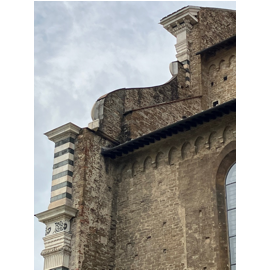
I called this building a celebration of the Rinascimento not only because of what is inside. Observe the upper portion of the facade. That was added in the 1440s by Leon Batista Alberti whom I mentioned last week. Note how gracefully this marries with the lower portions dating from centuries before. And I can’t resist showing it from the back. I think it is quite beautiful even from there. You are seeing here the most important façade of the time – an elegant, intentional composition; a fugue on the square, the circle and the golden mean, magnificently grafted onto an old tune.
Hey, by the way, I got some answers back from my letter last week and I thank those who contributed notes. Most particular was the note that becoming Bill Ashworth is not such a bad thing to be. And that is quite so. Another was to say that the loggias in Bologna are indeed there by municipal decree. Thank you, Richard. And I got a number of notes about being held down and forced to eat bologna sandwiches on white Wonder bread.
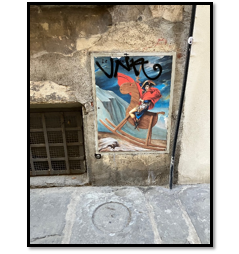
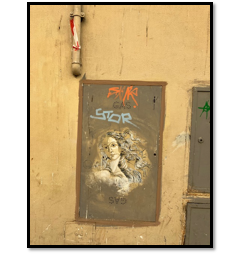
Art history is escapable some places. But it is not escapable here. These are just two examples from gas meter covers. The one on the right is painted on canvas, by hand, and then pasted onto the metal panel. The one on the left, on our street, is a five-color stencil. If Botticelli were bopping down the Via Ricasole today and saw this, I think he would be a happy man.
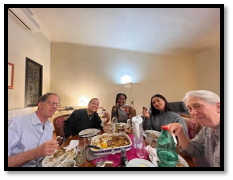
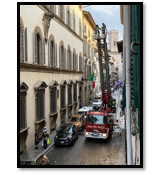
Speaking of our street, I looked out our window and saw this on Monday. It was not a fire they were there for but a large piece of a stone cornice that had crashed to the pavement and broke into smithereens (a word I don’t get to use much). No one was hurt, thank goodness. They closed the street off and spent the next 24 hours stabilizing the cornice, cleaning up the debris, inspecting all the other cornices with bucket trucks and being incredibly efficient about addressing this, which must happen here with some regularity. I was quite impressed. (And yes, that is the bell tower of the Duomo behind the fire truck). The street closure did make it tough for my students who were all coming to dinner that night. The firemen let me escort them to our door from the corner. Here is a wide angled dinner photo with some of the kids.
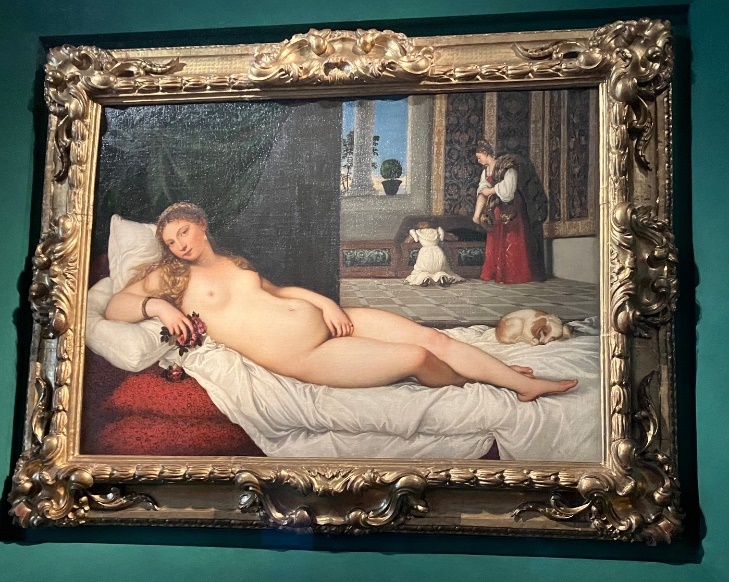
Before I get to wishing some of you a Happy New Year, I think I will drop in a little pornography I found in the Uffizi courtesy of Mr. Titian (His name in Italy is Tiziano Vecellio). Yes, I went back on Tuesday. I was there at 8:15 am and I was the second person in the museum! So I got to have much of it to myself. What a contrast from two weeks ago! Among the many treasures, I found a Fra Filippo Lippi Madonna that was just sublime.
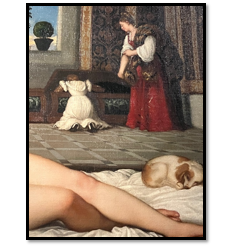
Finally, there I was in the third-to-last gallery, alone, with the Venus of Urbino, as she is known. A lot of commas in that sentence. But you yourself might hesitate if you found yourself where I was, unchaperoned. As any Florentine would scurry to point out – Titian was a Venetian. Florentines don’t really go in for this voluptuousness. And that is quite true, they don’t. A kind of reserve is very evident here. But there she was and there I was and really, I had only one question for her: “What is that woman doing with her head in your trunk?” The eternal surprise about the painting of this babe is the first thing you look at, the first thing, is not the naked woman on the divan, but the mousy woman in white at center of the canvas with her head in a trunk. Go ahead, pull up a photo of this at a larger scale and tell me your eye doesn’t go straight to her backside.
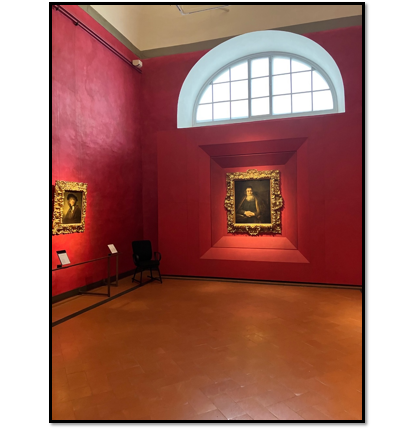
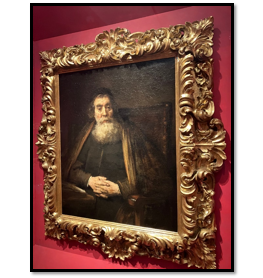
The Uffizi is arranged in chronological order, starting in the late 1200s and going until the Florentines stopped making art of any consequence, in the mid-1600s or so. In fact, if you read The Stones of Florence, Mary McCarthy’s fifty-year old, spot-on book, she points out that basically everything here stopped in 1540. The Medicis ended, the Rinascimento ended, and the light just dimmed. Thus, the Uffizi graciously ends their whole two-floor itinerary with a room full of Northern painters, Mr. Rembrandt van Rijn in particular. And as you enter this last, stunning room finished with a new coat of carmine Venetian-plaster walls (I am sure the Florentines do not call it Venetian plaster) you are bid farewell by this striking, late Rembrandt portrait of an unidentified rabbi.
Happy 5783.
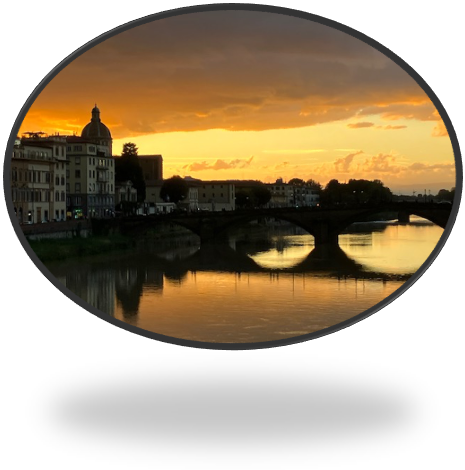
And yes, the light this time of year is very special…
Lettera tre
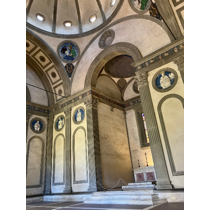
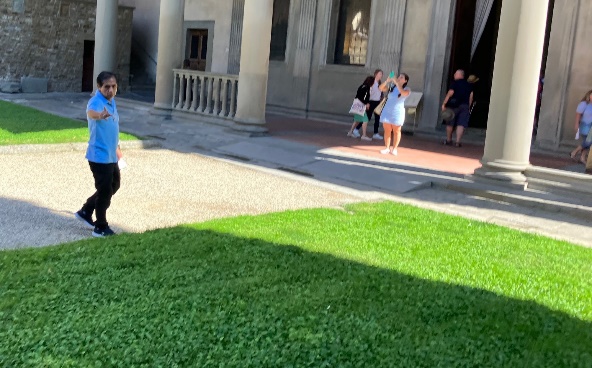
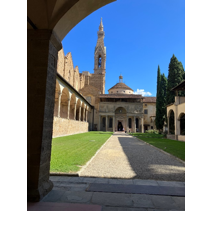
My first brush with authority here in the Republic of Florence. “Non camminare sull’erba” or something similar – “Don’t walk on the grass!” It is one of those things I won’t ever get used to. I was on the grass to take a picture of a wonderful statue of a robed man with his hand up in the air which, to me, was a simulacrum of the Master’s hand (Sorry, it’s the only word). The building just behind the grumpy man is one of the Master’s capolavori, one of his masterworks. He being Brunelleschi and the work being the Pazzi Chapel. His smallest public project and his purest. It is a cantus firmus that sings of just two shapes: the spere and the cube. Jacob Ashworth taught me what a cantus firmus was when he was about 14. I have always liked learning from my children.
This song in pietra serena stone and white plaster is one I have studied in many, many art and architecture history classes but have never seen. To stand in it, alone for a few minutes, was like a gift box sent to me years ago which I was only just opening.
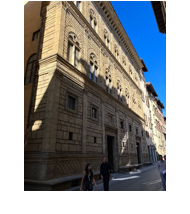
Here is another building I have often studied and this one, I am embarrassed to say, I have now walked past three times without realizing it. It is called the Palazzo Rucellai. It is Renaissance architect Leon Batista Alberti’s most well-known house. But it just fits into (or rather, helped establish,) the Florentine streetscape. There is no marker outside Via del Vigna Nuova, 18, sayingthat this singular 1446 house is in every architural history book in the Western Hemisphere. No marker saying the facade of this house launched a thousand others. Nothing. Just the house number, 18. Inside the ground floor is the retail store Endo. I have no idea what they sell.
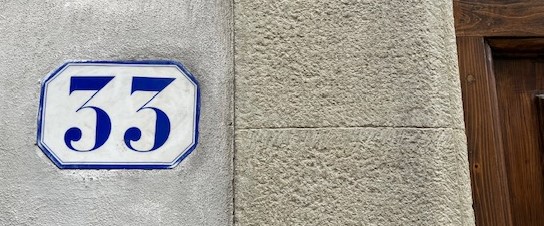
Speaking of house numbers, I am amused at the number on the front of the apartment building in which we live. We have lived at 133 West 82nd Street for years. My first job was at 33 Greene Street. My first investment property was at 233 South First Street and now, here we are at Via Ricasole, 33. Numerology enthusiasts aware of negative portents appertaining hereto should not reply to this.
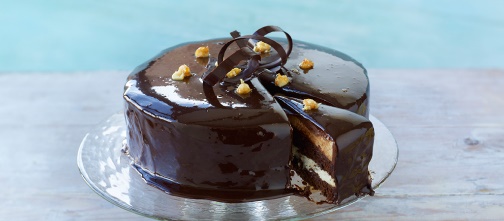
Close watchers of The Great British Baking Show may want to. They may have heard of a dessert I only encountered for the first time the other night. It was by far the best dolci I have had since we have been here. It is called setteveli (seven veils). What an evocative name for a dessert. Prue Leith’s recipe for it is the first thing that comes up on the blessed internet. She says it takes an hour and a half to make, “hands on time”. If you do it in less than four hours, please write back because you’ve won!
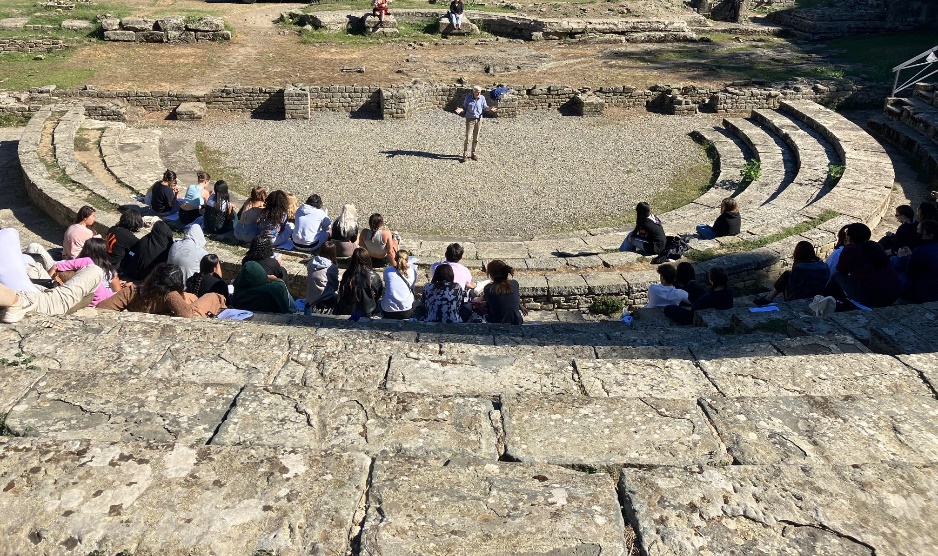
Susan has been working extremely hard on Carry My Own Suitcase. She has been deep in the zone for two weeks now and is making great progress. But, when she realized two days ago that she needed to go back to the entire first act and, out of love for her musicians, change all the 16th notes to 8th notes and everything from 2/4 to something called “cut time” (Numerology enthusiasts aware of negative portents appertaining hereto should not reply to this) she said, “I need a break!” And so, yesterday, we jumped on the #7 bus and in twenty minutes were in the lovely hilltop town of Fiesole. Nestled in the lee of this cozy, vibrant village are a Roman theater, an Etruscan 6th century BCE temple (I am not clear on who they were worshiping there), and some Roman baths. In one of those fortuities that happen when one travels, when one is – perhaps – more open to accidental encounters, we found ourselves in the middle of a lecture by a NYU professor whose name, we later learned, was Eric Nicholson. Well, I thought, this will be a fine test of the putative-amazing-acoustics of Roman theaters, and indeed the sound of his voice travelled to our ears quite clearly. But that became almost beside the point. As we sat there, we found ourselves immersed in a superb lecture that went on for another hour. It was all about Greek theater, the great Greek plays, the transition to Roman theater, and about how both Greeks and Romans felt that great Theater could save the city, any city. He spoke of the development of in-ground stone theaters such as the one we were sitting in, why they were built, when, how and for whom. We were both riveted. This just does not happen walking around the Upper West Side.
It was not just a fascinating lecture but a demonstration for me on how to teach. The last lesson I had in teaching was the masterful one Rob Horner gave me eight years ago right before I started at the New York School of Interior Design. Now, here was this Professor Nicholson (at least five years my senior) addressing his subject, charging all over the gravel stage, hand gestures as lively as his voice, entrancing his audience. After forty-five minutes, when some students began fidgeting about in their stone seats, he went off-stage (to the stone barrel-vaulted wings) and reappeared in a Greek mask and gave a speech from Aristophanes’ The Frogs, part of it down on his knees in the gravel, beseeching the audience for help. This was followed by another speech in another mask. Then, donning a woman’s mask and voice, he performed from Plautus’ the _______. Swinging his hips on his way off stage, he returns without a mask, without a script, and recites (performs) the seven stages of man scene from As You Like It. All this to elucidate us about the power of the mask. Never have I seen a teacher hold students so in the palm of his hand. We introduced ourselves and thanked him profusely, and hope to meet him in a cafe some time next month for conversation.
We went to La Fiesolano for lunch and had the best porcetta I have had since Jacob and Peregrine’s wedding which was the first place I had ever had porcetta, not having known it existed before – more things learned from my both my children, who introduced me to it.
Last week’s letter had a riddle in it about a certain painting on the cieling of a room in the Ufizzi. Alas, we are no closer to knowing about why it is there. The education director of the Ufizzi was asked but had no idea about it. Humph. But I hope you will look for it when you are here.
Bologna. Did you grow up eating it too? Really, the reason anyone under forty reading this letter never had it is because your parents were force-fed bologna all their young lives. We were stuffed with it when I was growing up in California, we had more of it when we moved east. Susan says she was sometimes given bologna sandwiches for days in a row in Kansas City. And really, I have never met a soul nostalgic for bologna. And how did it come to be pronounced “baloney”. And what does it have to do Bologna?
Well, I can’t answer any of those questions but I can tell you the city which was named after America’s best-selling lunch meat was a wonderful surprise. We now know of it because we took the 39 minute non-stop fast-train there this past Sunday, to meet our friend Nancy Haberman. It is always nifty to encounter friends in some crazy, far-off place. The surprise about Bologna is the loggias. Yes, I know it is famous for its loggias and yes, you told me that, but I just figured they were here and there. JFC there are loggia’s everywhere! Builders started incorporating them into their structures in the 13th century and just did not stop. A good portion of the city’s buildings are 19th and 20th century (much bombing during WWII) and even in these, loggias from one building just slide into one next door. One walks for blocks and blocks beneath them. It turns out all you who have been there were not making this up. But if any of you know how this came about – by decree, fiat, or the miraculous cooperation of the confraternity of real estate developers – please let me know.
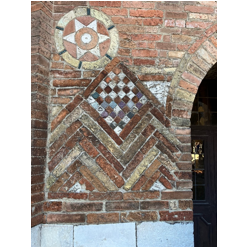
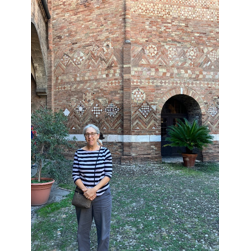
The other big surprise there, for me, was Santo Stefano, a complex of churches and cloisters started in the 900s and continuing through the 1400s, CE. The first thing you may notice in the photograph to the right are the stripes. Yes, I have always liked that shirt. But the stripes I woulds’t call your attention to are behind her on the 11th century octagonal church. The stripes and patterns in the brickwork are assolutamente squisito. It sounds so nice in Italian. Though, of course, they could very well be assolutamente squisite. I have no idea. We are the people who named their female cat Pozzo, not Pozza. Here is an upclose view of the stripes and patterns because I can tell you are squinting. I know, exciting isn’t it? Makes my heart beat faster.
Ok, I’m stopping. This is about where I started falling asleep in my father’s regular Ektachrome-slide shows about his and Lou’s travels to Italy. Oh my god, am I becoming my father?

Lettera due
Una Lettera da Firenze
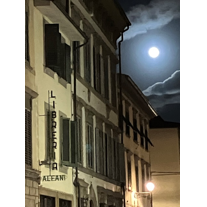
Alora, another week has passed. Remarkably, it started just like yours, though perhaps your view of the harvest moon was not as clear as ours.
After our first week, we have made more time to take in some of the sights. Our first stop was San Marco, a museum that used to be a monastery, built by Cosimo de’ Medici to help ease his way into heaven. Two notable residents (other than Cosimo, who did indeed have his own cell for the times when the world got too loud) left their particular traces behind.
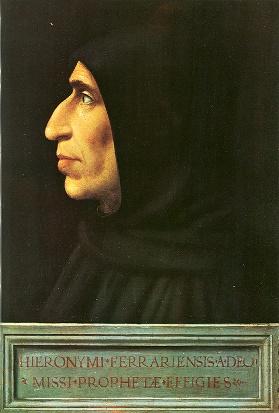
The first was Girolamo Savonarola, a monk who, in 1494, rose from obscurity to lead the City of Florence while Piero de’ Medici fled out the back gate, pursued by French troops. The charismatic Savonarola encouraged people to think that God was their only ruler. It is him we have to thank for “bonfires of the vanities”. But, despite purging their households of books and art, things did not go well for the Florentines or for him. In 1498, after admitting he made it all up, he was publicly flayed, eviscerated and, once dead, tied to a stake and burned. However, he had the last laugh. As the pyre grew, his right arm magically, suddenly, shot up in the air, his index finger pointing to the sky. And it stayed there. The thousands of onlookers, crammed into the Piazza della Signoria for the show, panicked and fled. Scores of people were trampled to death. His cells at San Marco are kept as a shrine. This quite astonishing portrait of him hangs there, painted in 1497. Many still think quite highly of him.
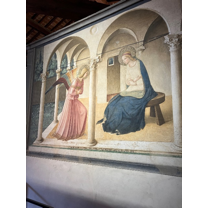
The other, rather quieter, resident was Beato Angelico better know to the rest of us as Fra Angelico (1395-1455). San Marco is, essentially, a museum devoted to his work. But unlike other museums that honor one individual artist, most of the paintings and frescoes here were created in situ, including this one, which many of you have seen in art history class.
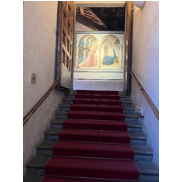
There are two things in this painting of the Archangel Gabriel’s encounter with Mother Mary (circa 1440) that they don’t tell you in that class. The first is that this astonishing fresco is aligned such that it fills your field of vision as you climb the stairs. And the only people who climbed them were the monks. Their cells—each one containing one of Fra Angelico frescoes– were on this upper level. Thousands upon millions of words have been written about this painting so I won’t go into what makes it so magical. I will say that both Susan and I fell in love with it. But I do have to tell you about the other thing they don’t tell you in art history class. This alone is why you must come to Florence if you’ve never been; and if you did not notice it, why you must come back. Do not die before seeing this detail, you will regret it.
Gabriel. A name I quite like. This is a city of Gabriels, a city with Annunciations in every tourist-crap shop, a city where under-employed archangels sell Gelato, and in this city there is no more empathetic, sublime Gabriel than Fra Angelico’s.
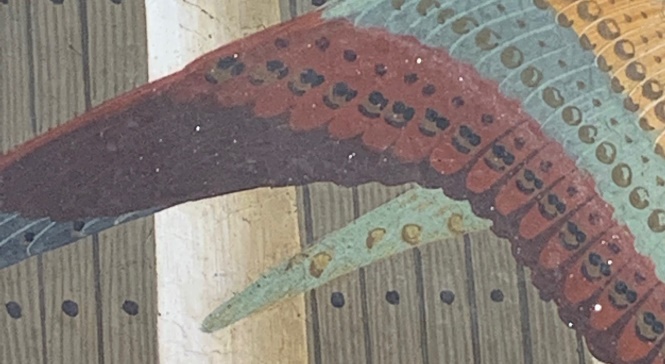
Admiring it, I say to Susan, “Oh my god, look at his wings!” Folks, they sparkle. Fra Angelico actually added a silica of some kind to the fresco (which is made with wet plaster and pigment). And the wings, only the wings, sparkle. They still sparkle and glint after almost 600 years! You can barely tell from this photo (the little white bits). That is why you have to come here.
There is indeed lots of nice old art here. But we were treated to the work of two obscure twentieth-century artists whose work we were amazed by. The first was from an exhibition tucked into the Palazzo Medici-Riccardi of the work of Oscar Ghiglia (1876-1945). Look it up in Google Images to see much more of the show. It is the first exhibition of this artist’s work, 80 to 90 years after it was done. He is basically totally unknown to the greater world. It was an extraordinary exhibit.
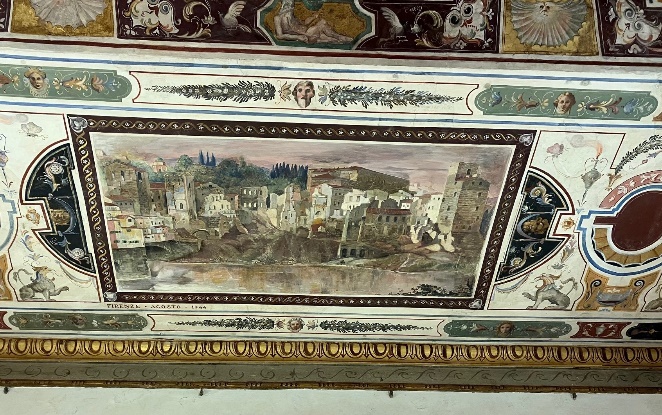
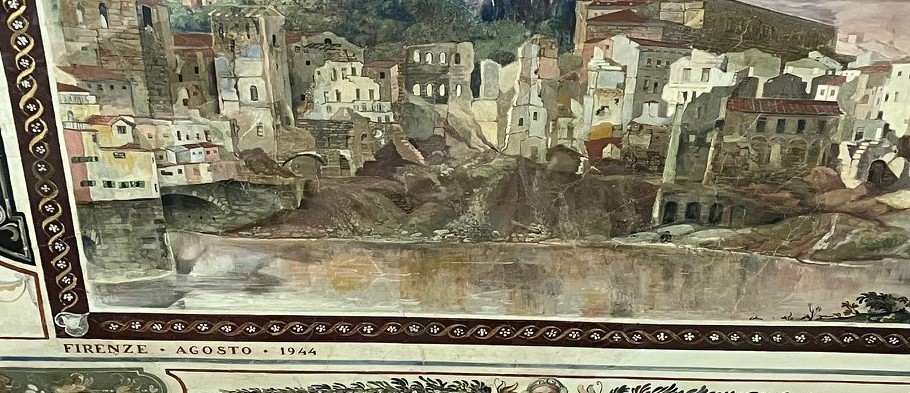
Now, we don’t know the name or the date of the next twentieth-century work we encountered, merely that it is post World War II. What we do know is that we found it while we were experiencing the local mosh-pit. The Italian word for mosh-pit, if you want to know, is Uffizi. No, I never knew that either. Anyway, there we were making our way through the room of Quattrocento Lombardy paintings. It was a small room and we were there with 450 close friends. Susan was looking up at the marvelous decorative ceilings, perhaps hoping for fresher air. Says she to me, “Oh my god, look up!” The ceiling of this room, as most the others, was painted sometime during the sixteenth century. It is full of scenes of historic battles; images of Mars, god of war; and lots of armed folks lunging at each other. But then there was this one. Notice the date on the close-up below:
Firenze, Agosto, 1944. I recognized this view from photographs of Florence taken the summer the Nazis retreated, demolishing four of the five main ancient stone bridges as they left. What was so astonishing is that it was on this ceiling. There were, as far as we could see in the whole museum, no other contemporary representations of anything. There was no wall sign, no indication of who, when, why or how this piece came to be there. And no one else was looking up.
I have made inquiries with the woman at my school with whom I am taking the Florence Culture class. She was not aware of it but is checking with her people and may have an answer next week. Which I will pass on in the next installment. Stay tuned.
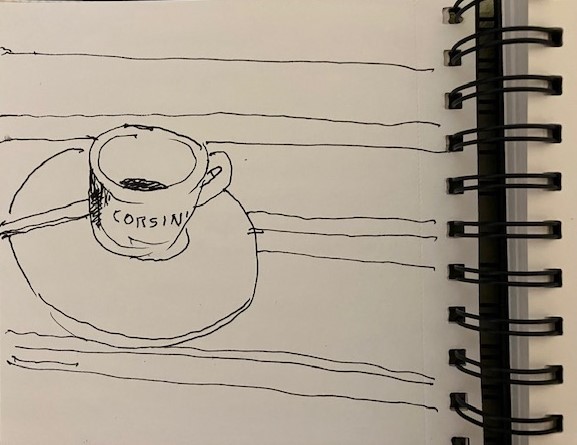
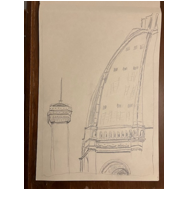
Ok, this is getting long. Just to say today we joined the Florence Urban Sketchers group (there is one in every city in the world, just about) and found a lovely group of people. They led us to a most astonishing perch from which to observe the Duomo. The roof terrace of the Biblioteca delle Oblate. It is just the local public library (another converted monestary). It’s huge, with a marvelous café on the top floor & not a tourist in sight. Here you see Susan’s version of the amazing view. The terrace is covered which was a good thing because it was raining very hard.
Put the Biblioteca on your list.
Oh, one more thing. I went into the fourth floor museum space at the Spedale degli Innocenti where no one ever goes. There, in Brunelleschi’s 1435 foundling hospital, I found a most exquisite Sandro Botticelli painting. Just waiting for me.
As Florence waits for you…


Lettera Uno
Saluti a Tutti,
We have been here eight days now. Living here is so different than visiting. In eight days most of us would have done the round of magnificent sights while recovering from jet lag, eaten many meals in restaurants, and collapsed into bed nightly of sheer exhaustion. While we have seen a couple of wonderful places, mostly we have been getting settled, figuring out which stall in the Mercato Centrale has the best tomatoes, and trying to understand the geography of the streets. The tomatoes, oh, oh, oh, the tomatohs Our apartment is spacious and if it were any more centrally located we would have to celebrate mass in the living room. Susan’s piano was delivered yesterday, as you will see below. A scene reminiscent of Bernardo Bertolucci’s film, The Piano. Four men massaged it up the ring of stairs. I am quite sure they were grateful we don’t live on il quarto piano. Carry My Own Suitcase, the two-act opera she is writing with Roberta Gumbel is going very well.
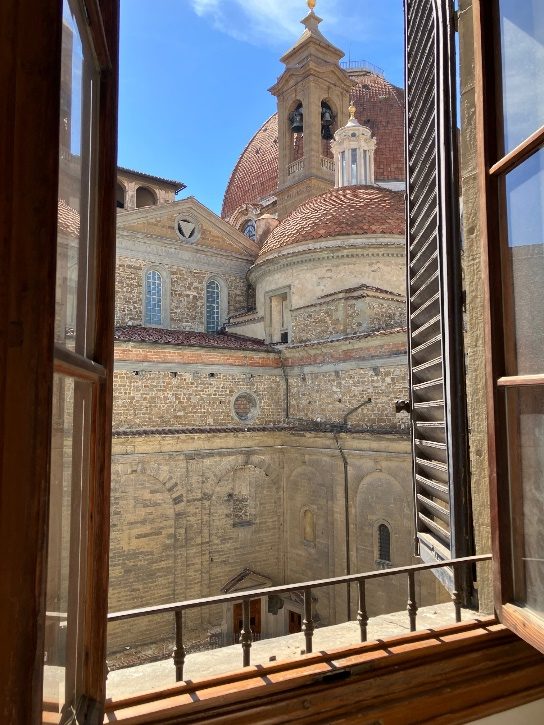
The first photograph herewith is the view from my classroom, overlooking San Lorenzo. This is three blocks from the apartment. The atelier is on the top floor of a fifteenth century house. The ceilings throughout are painted in gorgeous patterns. They bothered with the ceilings even on the top floor. I have just four students so we accomplish a lot in the studio then have time to get out.
Yesterday, for instance, I took them to the Brancacci Chapel, which many of you may have seen. But none of us has seen it this way in the last sixty years because that was the last time there was restoration scaffolding in place. As you can tell by the photograph, one can now get eye level with the astonishing frescos. I was even able to capture an adorable monkey climbing along the window sill of the fifteenth century Florentine piazza. The intimacy one gets with this humanist masterpiece is truly breathtaking.
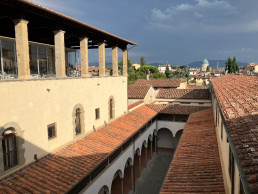
We are also three blocks, in a different direction, from Brunelleschi’s exquisite Spedale degli Innocenti. Since we were last here (15 years ago?) they have renovated the top floor and put a bar up there. A photo of its view is enclosed. We did sit there one evening and watch the sun set behind the Duomo.
Susan has joined the gym a few blocks away. And while her Italian has been serving us exceptionally well, it slipped momentarily when she walked into the gym to sign up for three months and somehow managed to ask for strawberries instead. The gym manager was most amused and graciously asked in perfect English “How many strawberries would you like?”
From the top floor of the Spedale degli Innocenti by Brunelleschi.
Arrivaderci
Warren e Susan